
Historical Accuracy
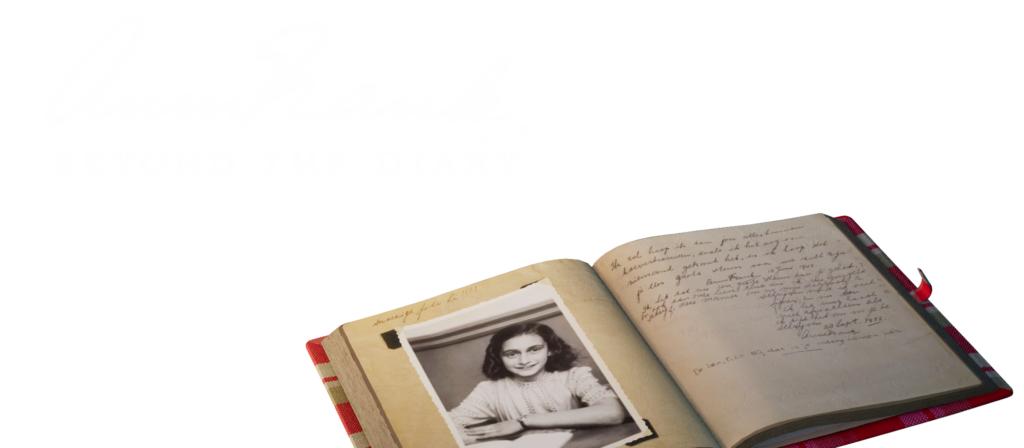
Historical Accuracy
Authenticity has guided every stage of development, from historical research to the smallest architectural details.
At CGO Studios, historical accuracy is the foundation of every experience we create. Anne Frank: Beyond the Diary has been developed through years of archival research, consultation with historians and museum professionals, and the careful study of original photographs, architectural plans, maps, diaries, and firsthand accounts.
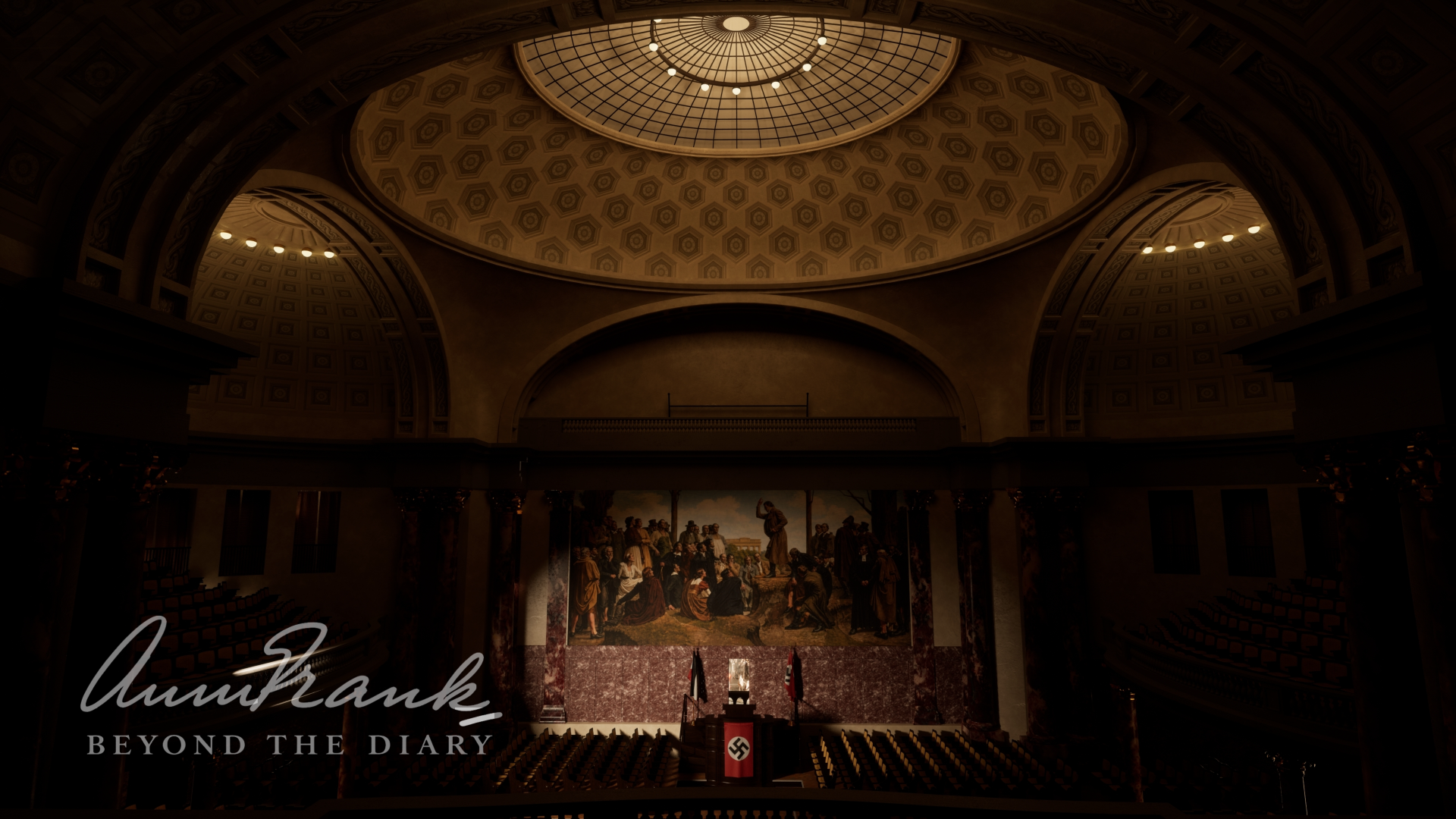
Accuracy is Our Foundation
Unlike traditional media, virtual reality places you inside history. Visitors don’t simply watch events unfold—they experience them from within. Long after the headset comes off, what many people remember isn’t just what they learned, but what they remember seeing around them.
That responsibility shapes every decision we make. From architecture and lighting to everyday objects and city streets, every detail contributes to the authenticity of the experience. The more faithfully we recreate the past, the more confidently visitors can connect with it.
Building History from the Evidence
Our work begins long before any environment is modeled.
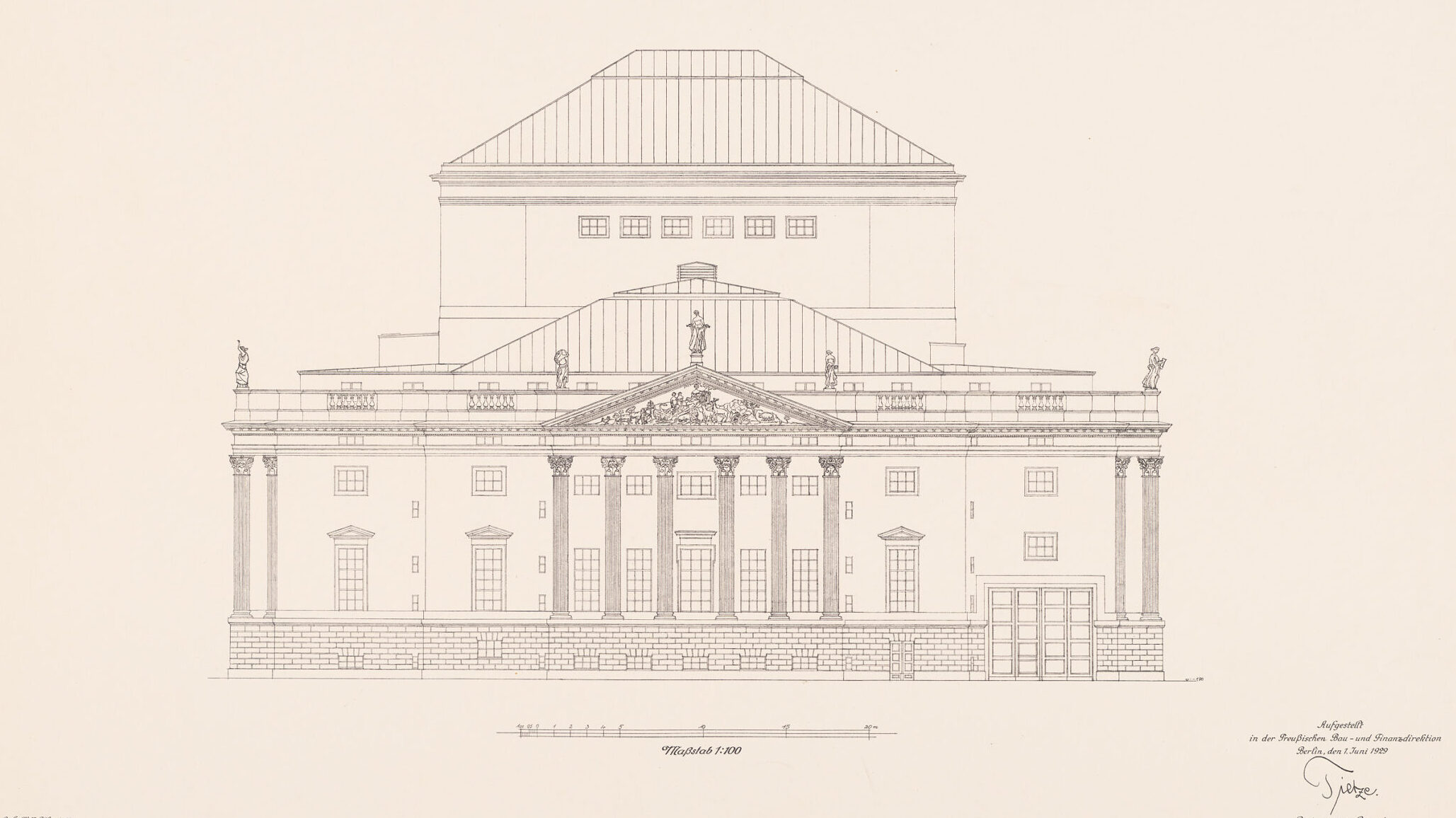
Each reconstruction starts with extensive historical research, combining traditional academic methods with a uniquely visual approach developed through years of immersive production. We study photographs, architectural drawings, maps, diaries, letters, newspapers, museum archives, and firsthand accounts—not only to understand what happened, but to understand what places looked and felt like.
While historians often seek to answer what happened, our work also asks what would someone have actually seen if they stood there? Every source helps inform both the historical record and the visual world visitors will experience.
When History Leaves Questions Unanswered
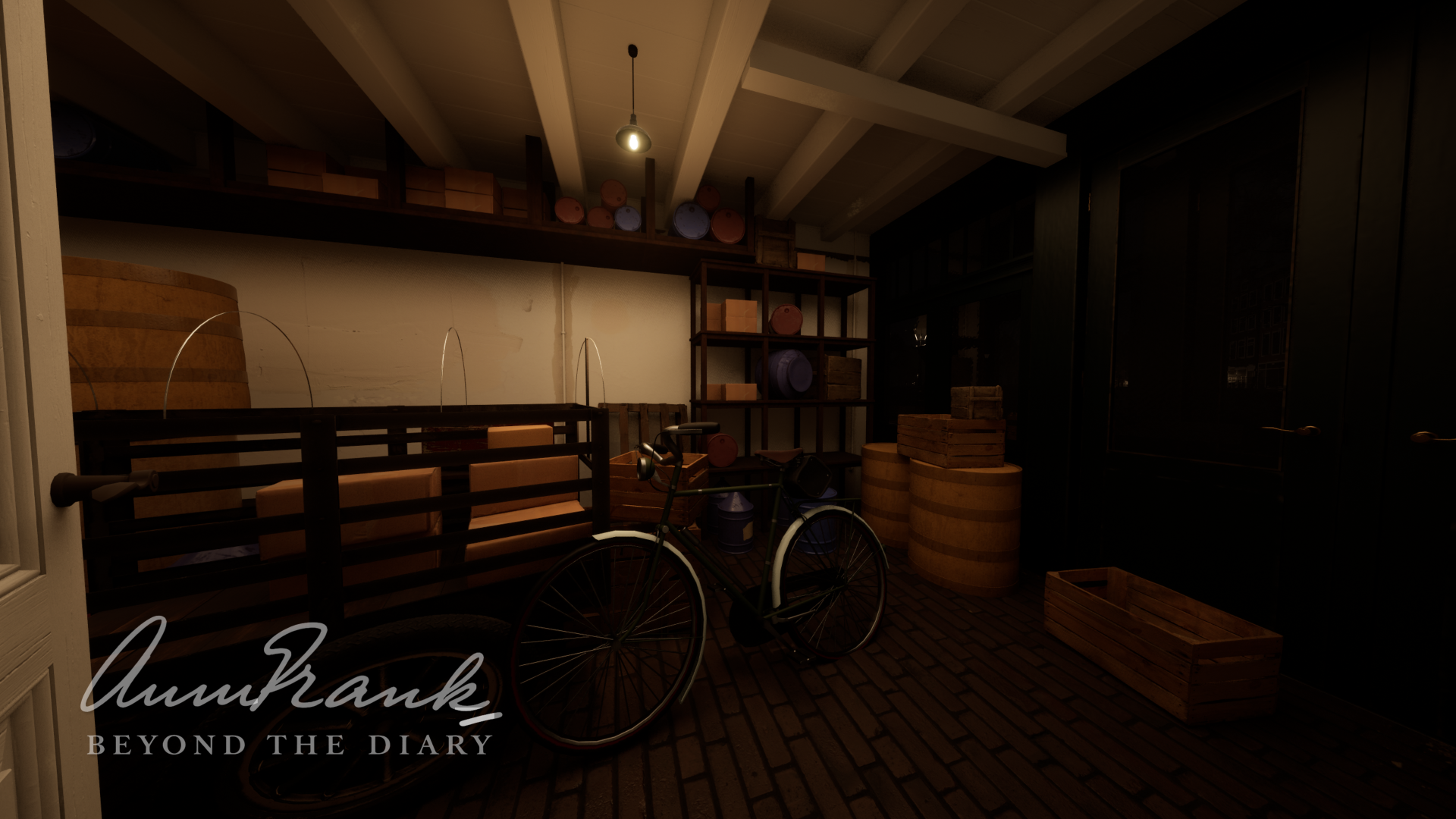
History is rarely complete. Buildings have been altered or demolished. Photographs capture only a single moment or angle. Everyday objects often go undocumented. Even well-preserved locations leave important questions unanswered.
Rather than speculate, we carefully compare multiple independent sources, identifying where they agree, where they differ, and what conclusions can reasonably be drawn. When interpretation is necessary, every decision is grounded in the strongest available historical evidence and guided by documented context—not creative convenience.
Our goal is never to invent history, but to reconstruct it as faithfully as possible.
Verified by the World's Leading Authorities
Historical reconstruction is a collaborative process.
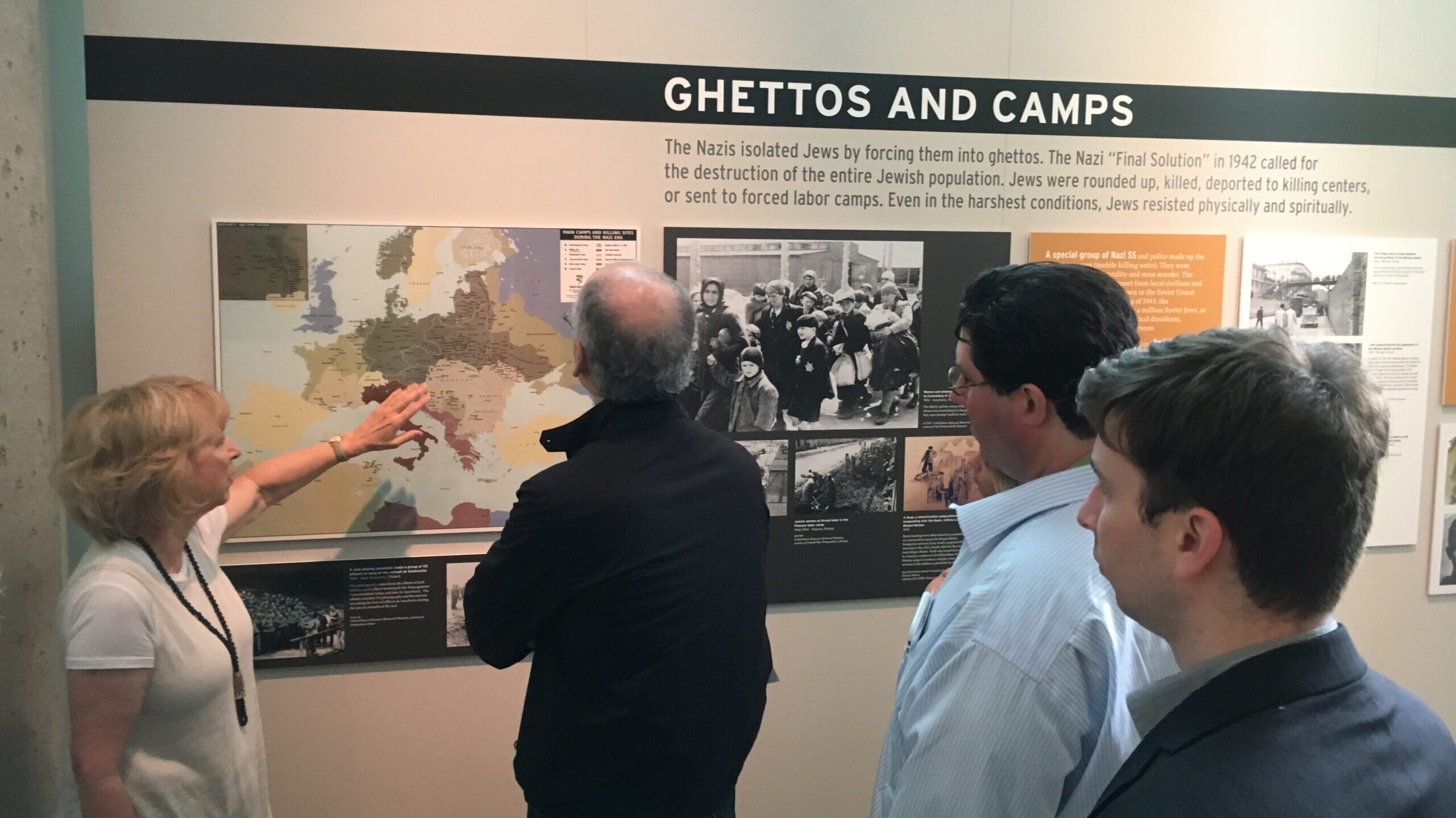
Throughout development, we consult historians, museum professionals, Holocaust educators, archivists, and subject-matter experts who help review our research, challenge our assumptions, and provide additional historical context.
These collaborations strengthen both the historical accuracy of the experience and the confidence that every major decision reflects the best available scholarship.
Education Before Entertainment
Our team comes from backgrounds in film, visual effects, and interactive entertainment, where storytelling often prioritizes drama, pacing, and spectacle. Historically grounded storytelling demands a different approach.
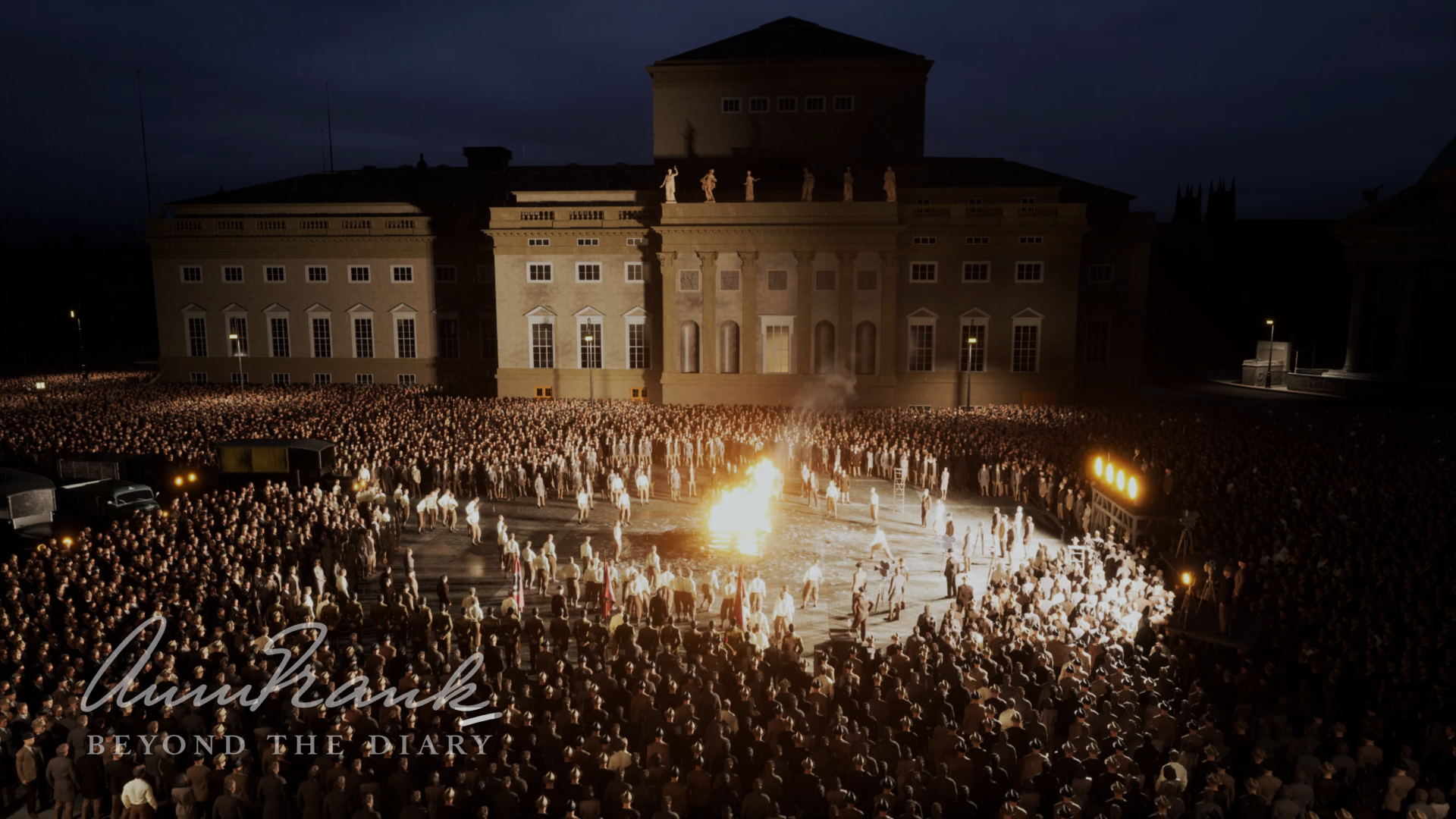
Every creative decision begins with the historical record. Rather than altering history to serve the narrative, we build the narrative around history. The result is an experience designed to be emotionally engaging because it is authentic—not because events have been exaggerated or rewritten.
Our goal is to create an experience that is both compelling and historically trustworthy.
Your Experience Becomes Memory
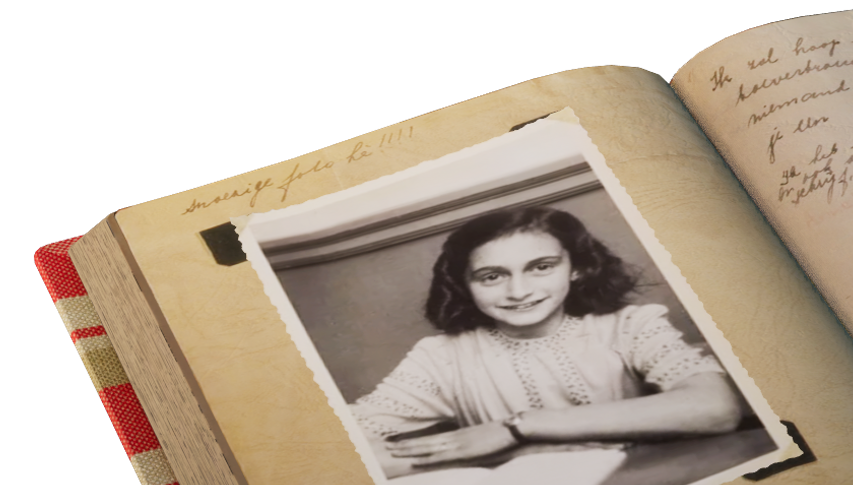
One of the defining characteristics of virtual reality is its sense of presence. Visitors often remember VR experiences not simply as something they watched, but as somewhere they have been. That makes historical accuracy more important than ever.
At a time when misinformation, distortion, and historical revisionism are increasingly common, immersive experiences carry a unique responsibility. Every environment, object, and interaction contributes to the memories visitors take away.
Our commitment to historical accuracy is ultimately a commitment to truth—to honoring Anne Frank’s story, respecting the historical record, and ensuring that what visitors remember is grounded in evidence rather than fiction.