May 29th, 1953, 11:30 am
Mt. Everest, Nepal
Overview
In 1953, Sir Edmund Hillary and Tenzing Norgay became the first climbers confirmed to reach the summit of Mount Everest. Their ascent remains one of the defining achievements in the history of exploration, representing endurance, trust, and human partnership at the highest point on Earth.
Recreating the First Ascent
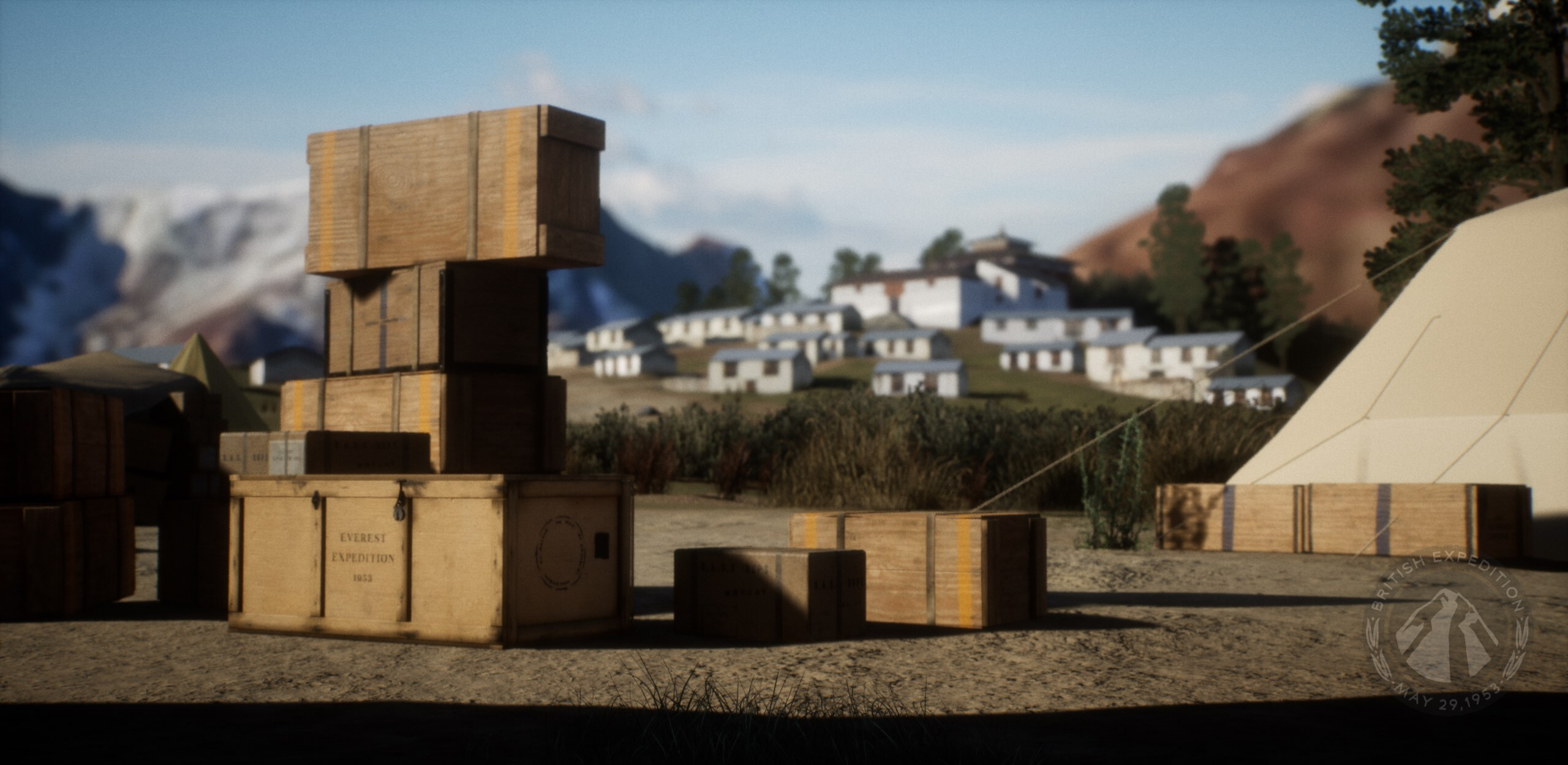
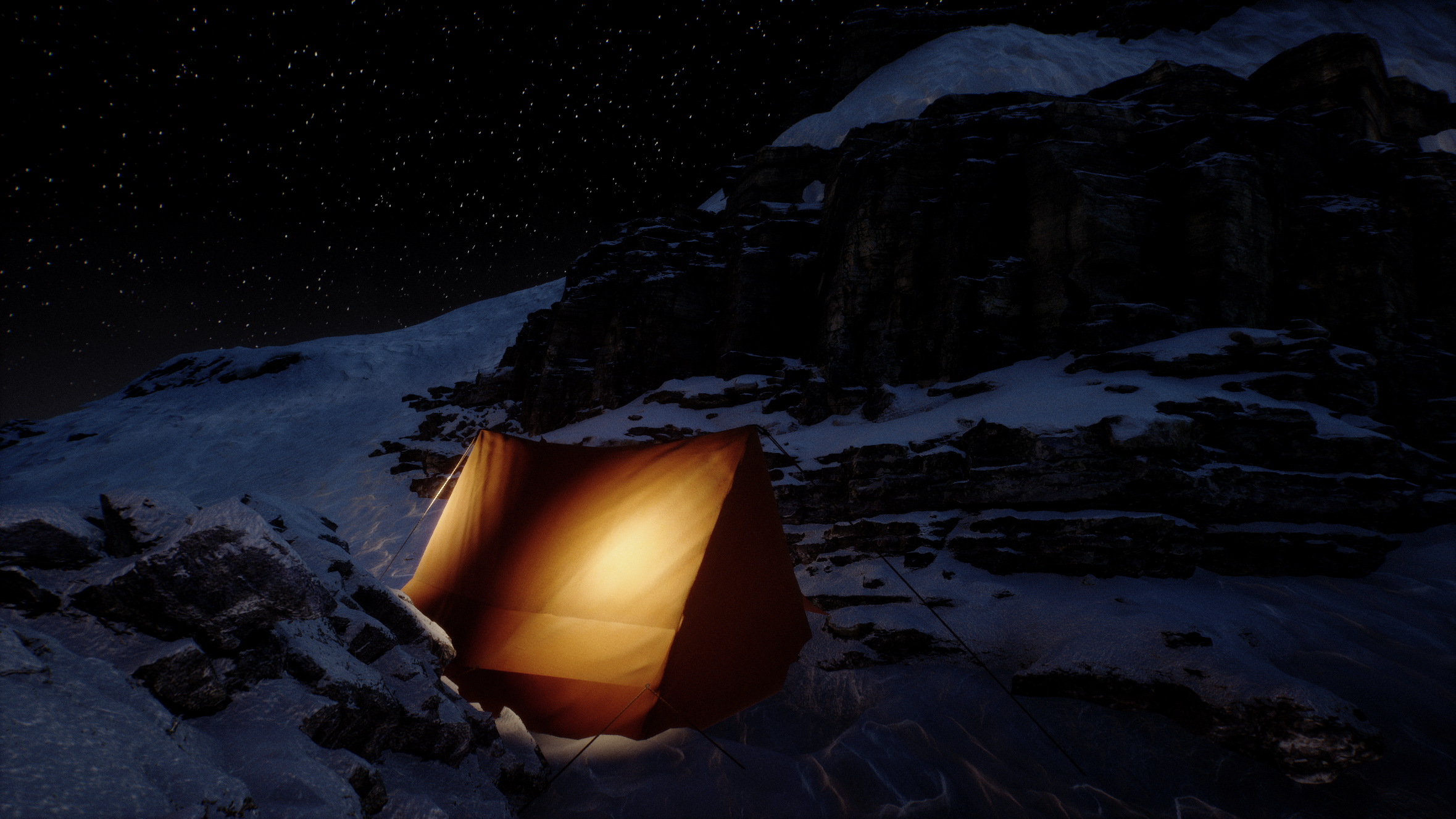
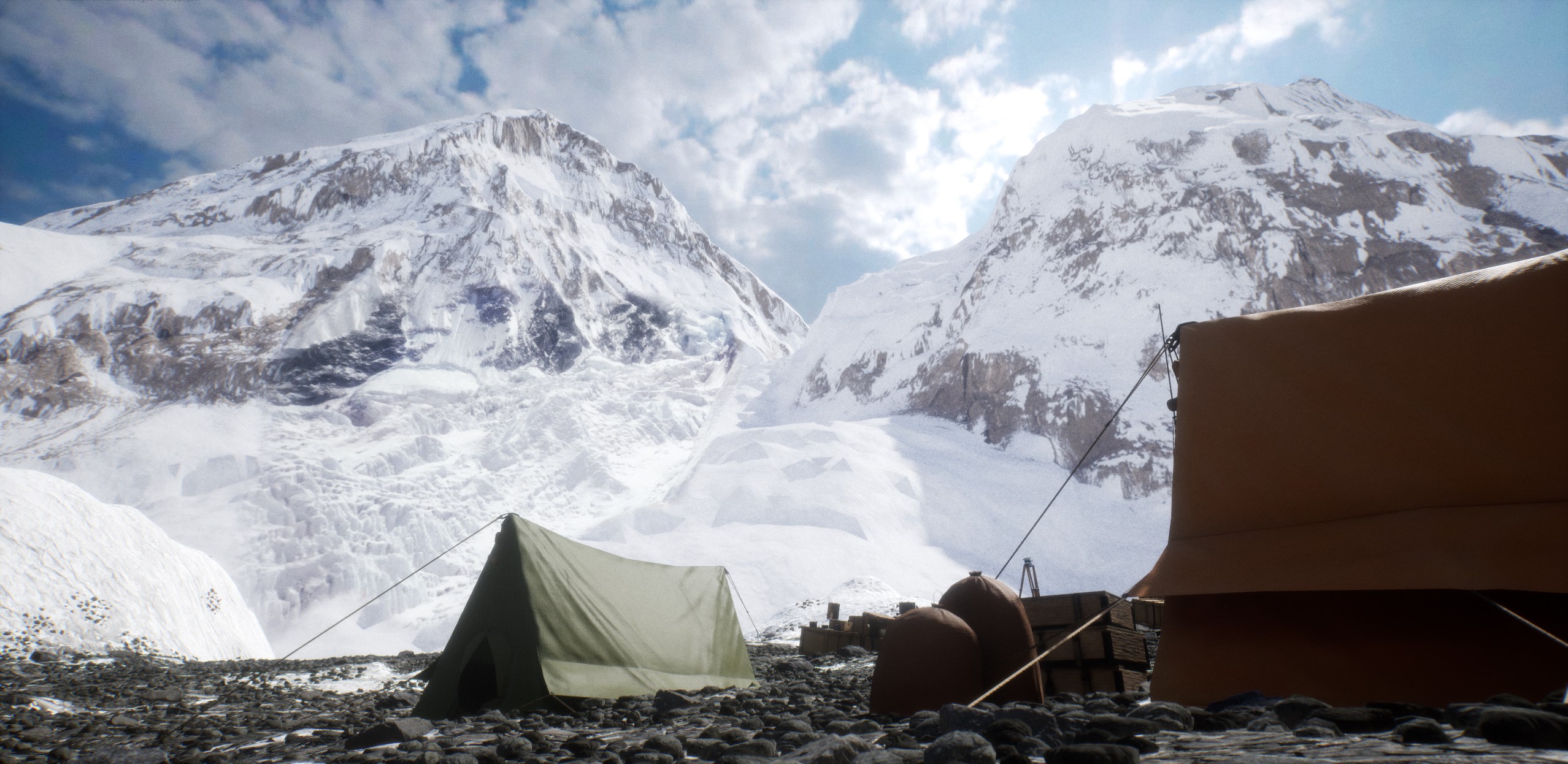
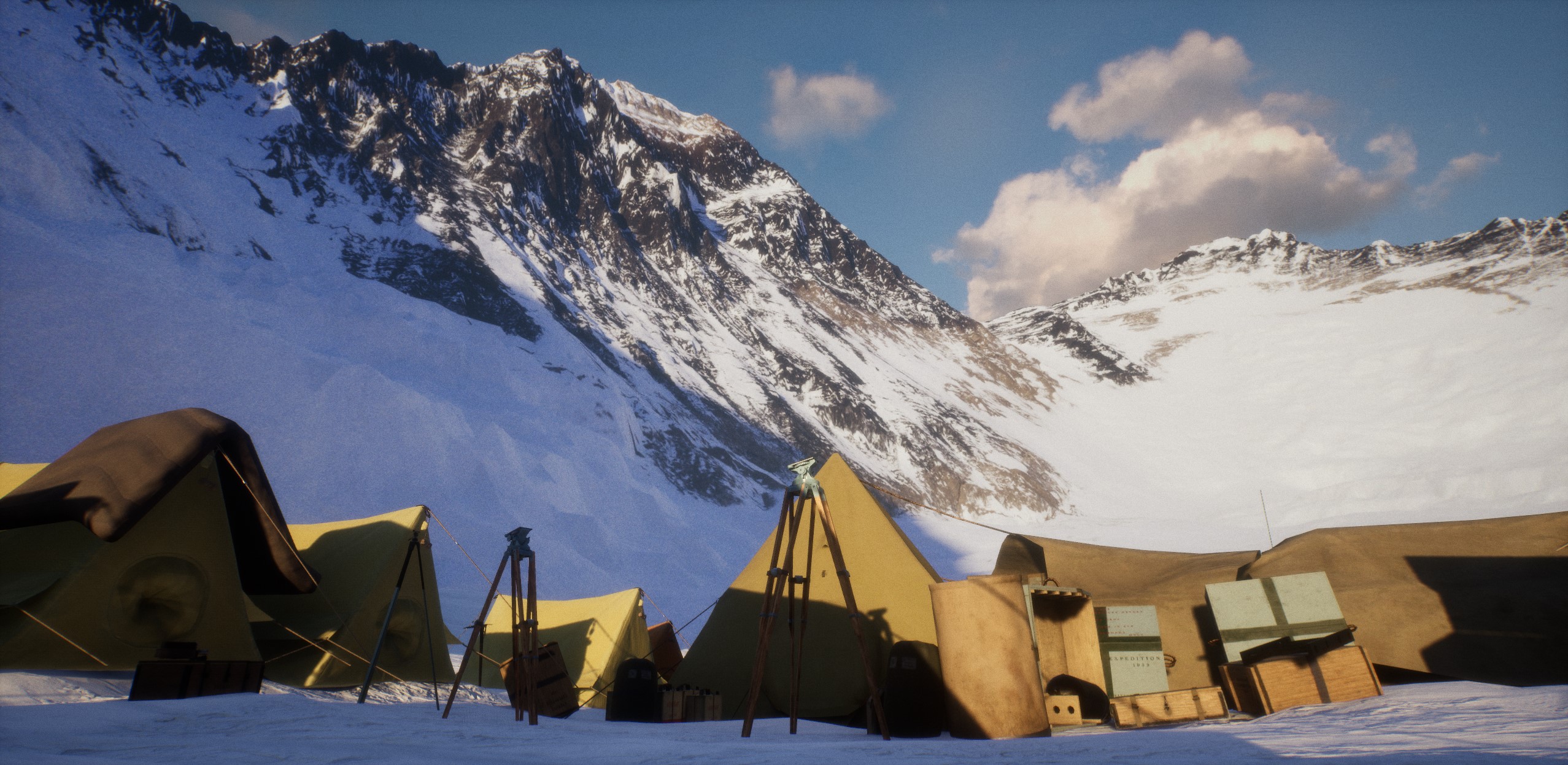
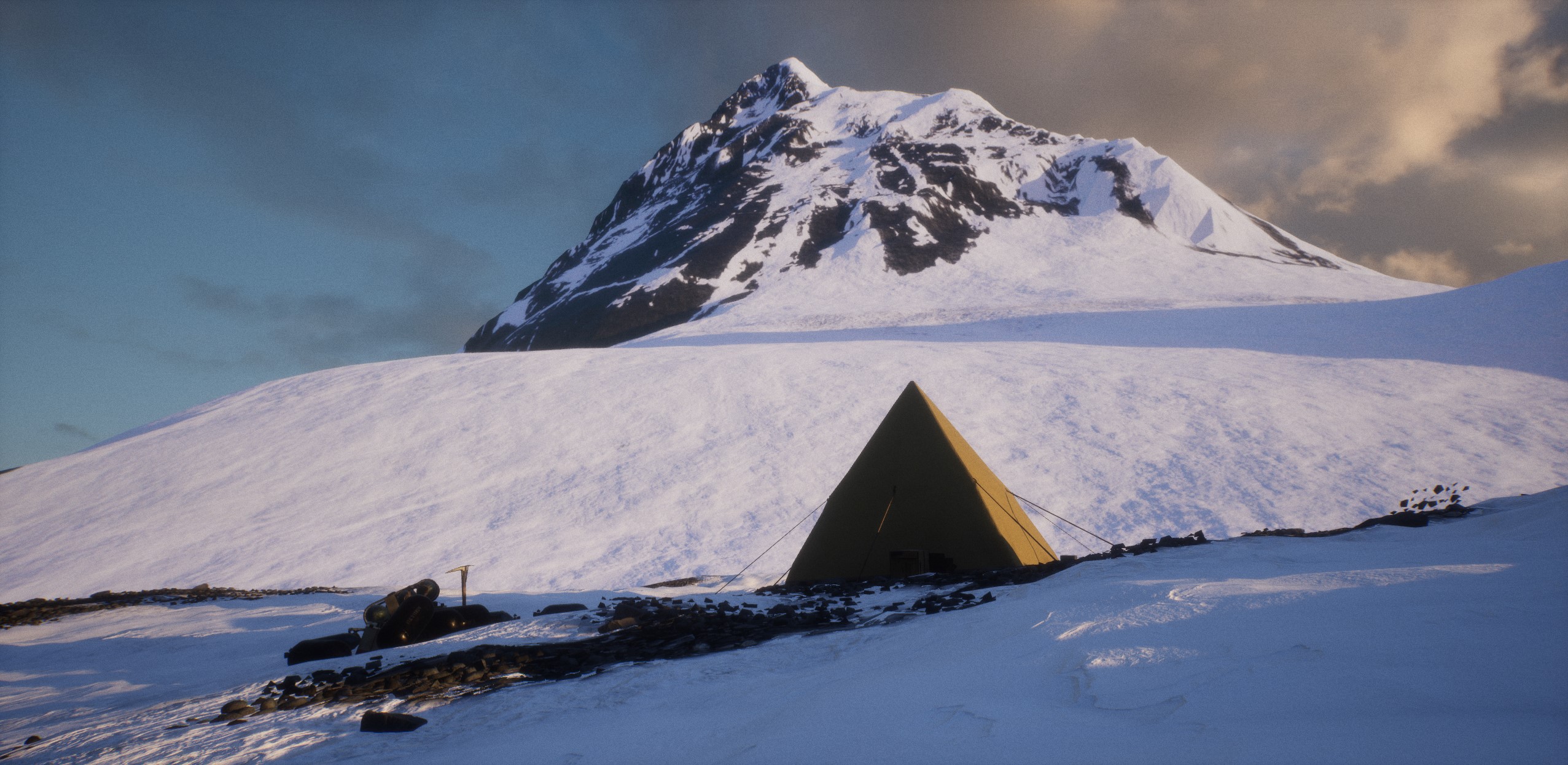
Everest ’53 is CGO Studios’ immersive recreation of the first successful summit of Mount Everest. The experience follows the final stages of the expedition, bringing audiences from the mountain’s lower camps through the dangerous upper slopes and toward the summit reached by Hillary and Tenzing on May 29, 1953.
Family Collaboration
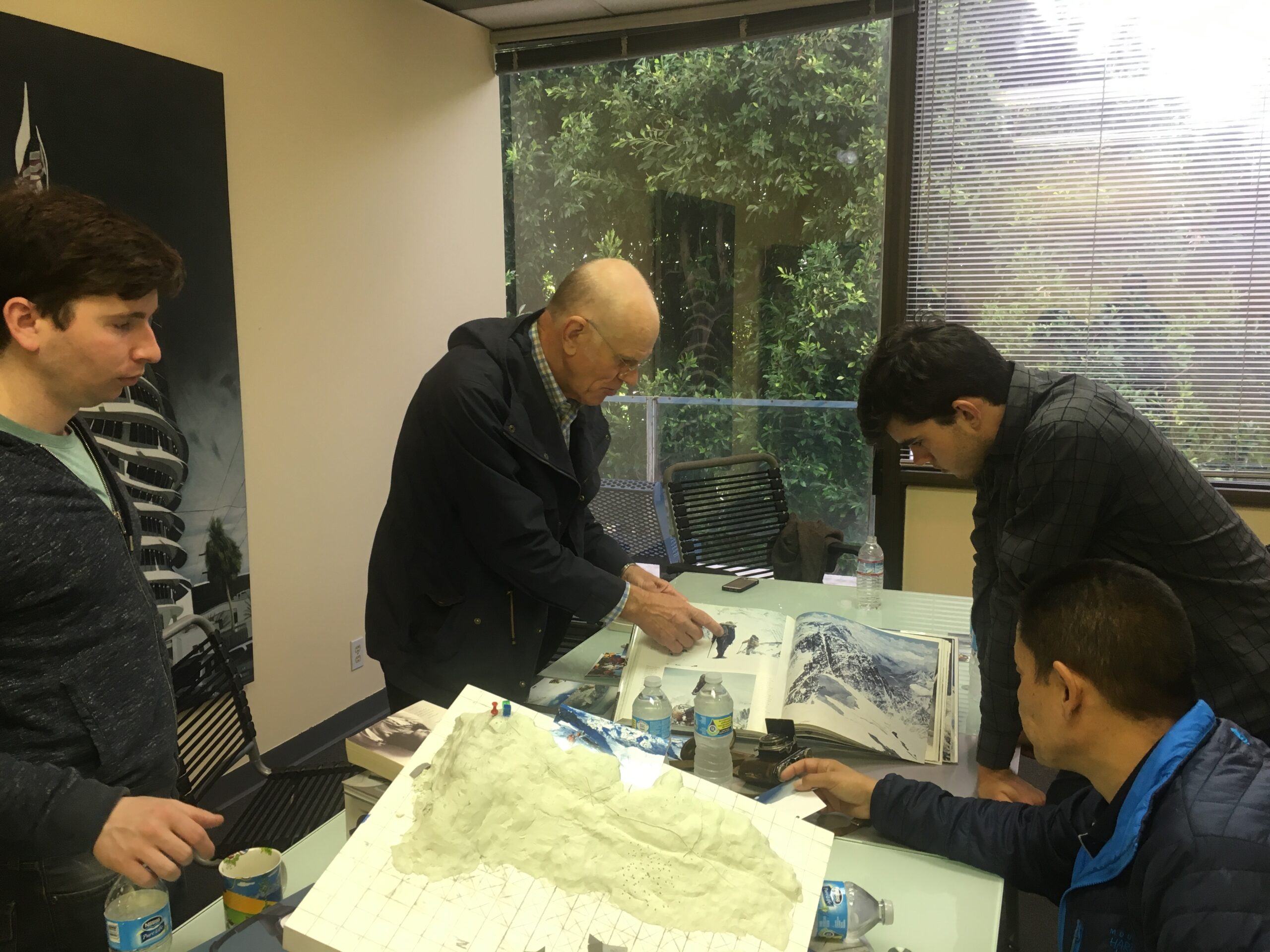
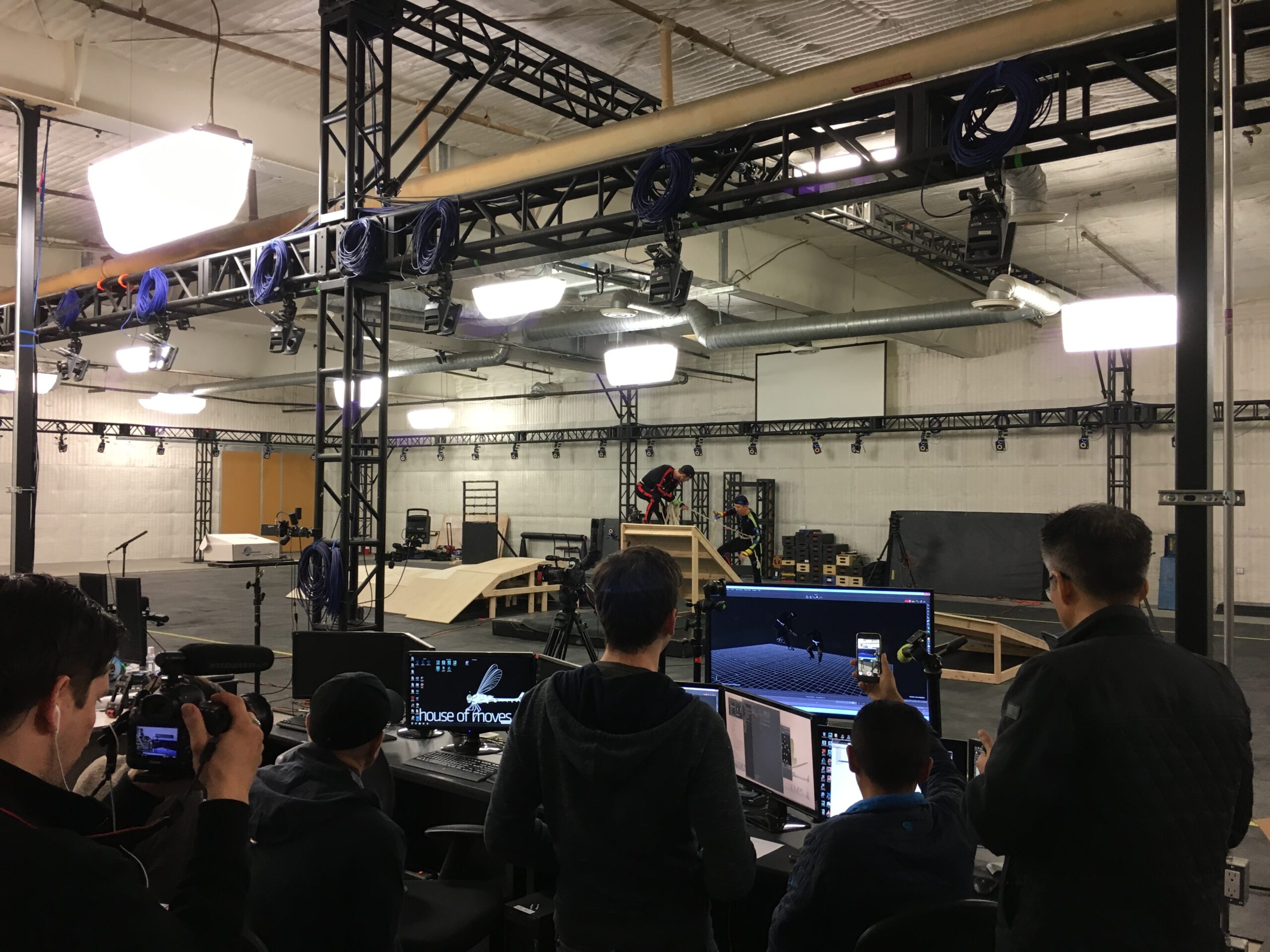
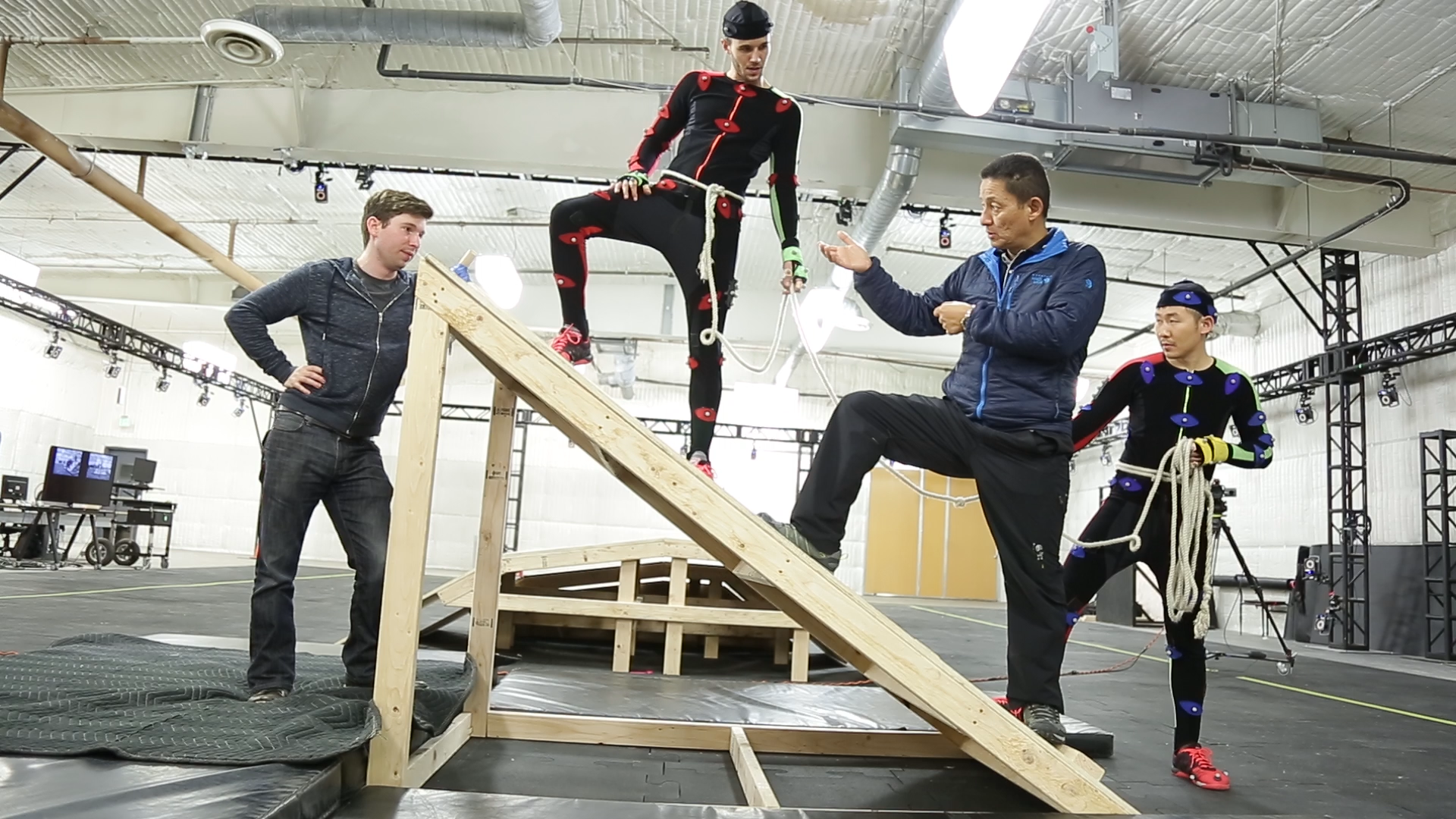
CGO worked directly with members of the Hillary and Tenzing families, who traveled to Los Angeles in January 2017 to help supervise a motion-capture session reenacting their fathers’ historic climb. Their involvement helped ground the project in the human legacy of the expedition, adding an important layer of authenticity to the recreation.
Historical Research
The project draws from expedition records, historical photographs, written accounts, environmental references, and detailed visual research to reconstruct the mountain and the conditions of the 1953 ascent. The goal is to capture not only the scale of Everest, but the danger, exhaustion, and focus required to continue upward.
Future Use
Everest ’53 is being developed for future use in museums, cultural institutions, educational venues, and location-based immersive exhibition spaces. Designed as a survival-driven ascent rather than a passive tour, the experience invites audiences to understand the 1953 expedition as both an extraordinary physical achievement and a powerful story of partnership.
Purpose
Through Everest ’53, CGO Studios aims to let audiences truly Witness History by standing inside one of exploration’s most iconic moments and gaining a deeper appreciation for the courage, preparation, and collaboration that made it possible.